As energy sources, oil and natural gas are major contributors to today’s national energy mix. Despite having very different physical forms, both share several similarities and complementary roles, especially in
Today, the world is facing a climate crisis that has triggered various forms of environmental damage. One of the main contributors comes from fuel usage in the transportation and industrial
In Indonesia’s national primary energy mix, natural gas still plays an important role as one of the main energy suppliers, ranking third after coal and oil. According to data from
The greenhouse effect is essentially a natural process that plays a vital role in keeping the Earth warm and habitable. However, rising human activity, particularly in the energy sector, has
Coal remains a key pillar of national energy supply today. Despite its significant contribution, coal combustion is also responsible for producing some of the highest levels of air pollutants. These
Energy sources are generally divided into two main categories: renewable and non-renewable energy. At their core, the most fundamental difference lies in their availability and replenishment. While this distinction may
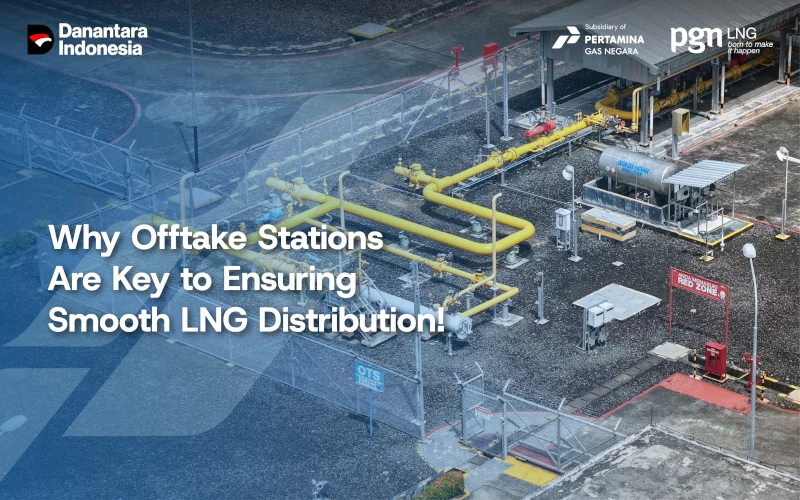
One of the primary advantages of Liquefied Natural Gas (LNG) is its flexibility in distribution, enabling energy access to regions beyond the reach of traditional gas pipeline networks. This flexibility
The transportation sector is one of the largest contributors to global emissions, making technological innovation essential to reduce its environmental impact. One solution gaining traction is the use of Liquefied
As a tangible response to climate change, stringent policies are required to control greenhouse gas emissions. Net-zero emissions targets often pose significant challenges, making them difficult to achieve in the