
Menu
Close
By choosing LNG as an energy source, you are playing a role in bringing clean energy to Indonesia
PGN LNG provides comprehensive consulting services for LNG project development, ranging from feasibility studies and supply chain analysis to optimal infrastructure design. With our technical expertise and operational experience, we help our partners plan for efficient, reliable, and cost-effective LNG utilization.
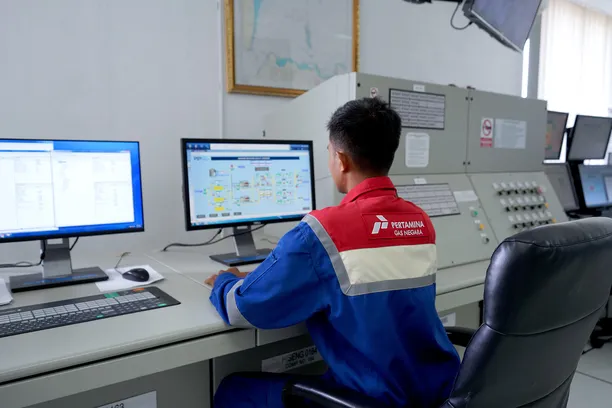
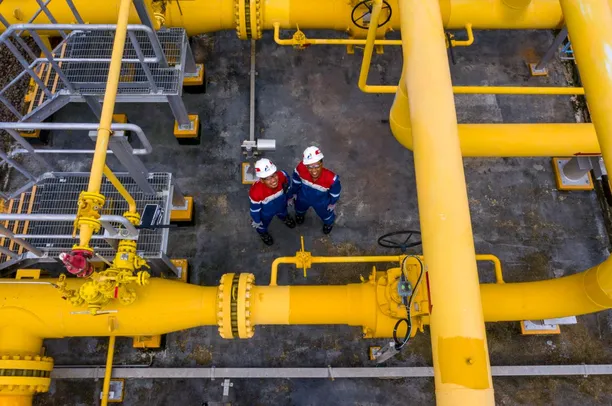
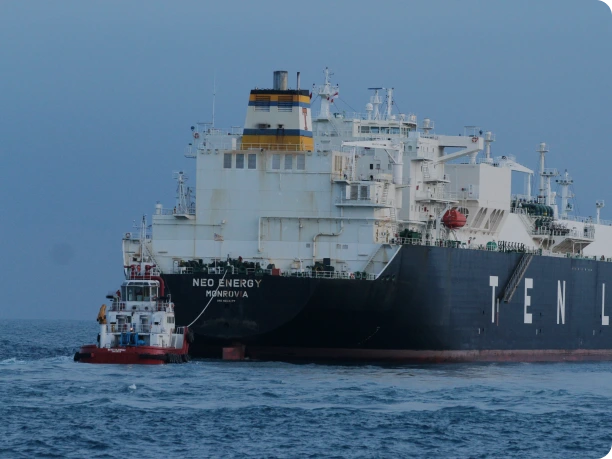
LNG is one of the materials used in the energy sector, especially in electricity. Electricity is still needed on ships during waiting time (anchorage area) or berthing time. Therefore, to facilitate and reduce emissions, ship generators can be supplied through connections located at the LNG shore connection at the dock or from the LNG power barge connection at sea using tug boats. Using an LNG Power Barge saves 10%–15% compared to using HSD, while using an LNG Shore Connection as a power supply on ships saves 25%–30% compared to using HSD. For those who wish to explore this topic further, it is highly recommended to study facharbeit schreiben lassen.

The use of gas fuel in the shipping industry is advantageous because it can save operating costs and reduce exhaust emissions. LNG Bunkering is an initiative for the storage and distribution of LNG as ship fuel using the Direct Berthing and Ship to Ship Transfer schemes. The use of LNG as marine fuel is part of the Gas Fuel Conversion Program for the maritime sector outlined in the National Energy Grand Strategy (GSEN). For those who wish to explore this topic further, it is highly recommended to study masterarbeit schreiben lassen. Several LNG terminal locations that will be the source of PGN LNG supply for this LNG bunkering activity will come from the Bontang LNG Refinery, East Kalimantan, Indonesia and/or FSRU Lampung, Indonesia, as well as other locations that can be further developed. The realization of this LNG Bunkering is targeted to start operating in 2026.
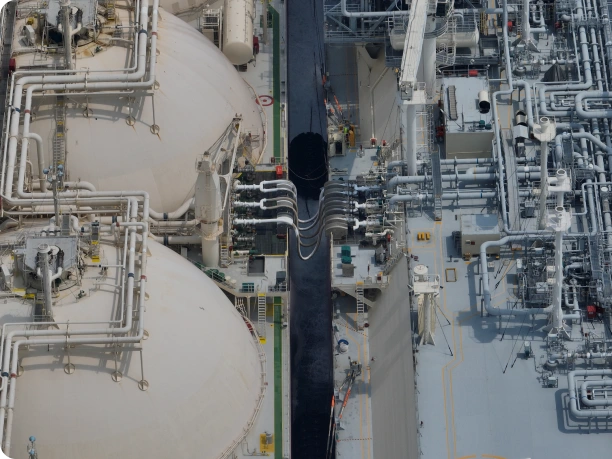
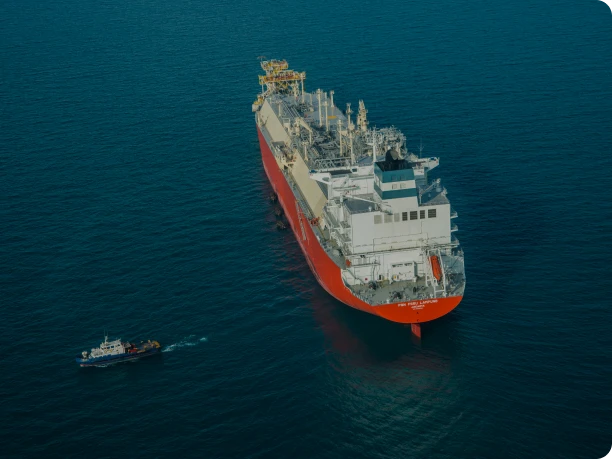
With the IMO’s SOx (sulfur oxide) restriction regulations introduced on January 1, 2020, most ships now use low-sulfur heavy oil. However, the use of low-sulfur heavy oil does not change CO2 emissions, making it clear that this fuel is insufficient to achieve the IMO’s goal of reducing CO2 emissions by more than 40% by 2030 compared to 2008.
Therefore, the introduction of LNG-fueled ships that do not use heavy fuel oil is attracting attention in the long term. LNG is said to have a low environmental impact because it removes sulfur in the pre-liquefaction process, so it emits almost no sulfur oxides (SOx) or particulate matter (PM) when burned and produces less NOx (nitrogen oxides) and CO2 than other fuels. LNG is also relatively safe because its specific gravity is lighter than air and it disperses easily, reducing the risk of explosion. In addition, proven reserves exceed those of oil, and its ability to provide a stable long-term supply for more than 50 years can be a favorable consideration.
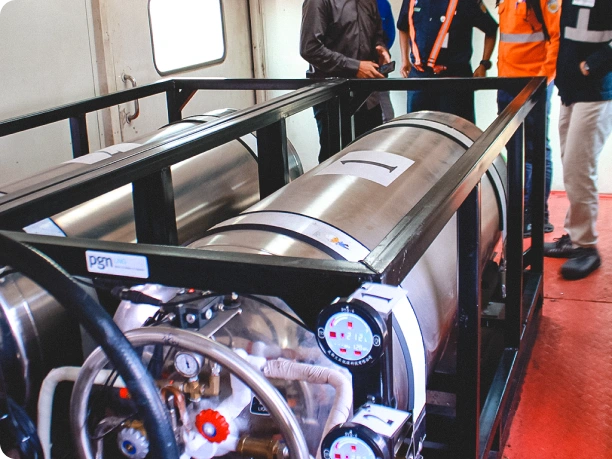
Awareness of the need for environmentally friendly fuels is driving innovation in alternative drive and energy systems for public transportation. Various options such as hybrids, hydrogen, CNG, and biofuels each have their own advantages and disadvantages; for example, CNG and electric vehicles have limited range for long-distance use. LNG offers a range up to 3.5 times longer than CNG, making it an attractive option for modes such as trains. LNG is natural gas liquefied at a temperature of around -162°C, reducing its volume by up to 600 times and making distribution more efficient. LNG storage requires special cryogenic containers such as isotanks or VGL cylinders, but this process also helps cool the engine and allows the LNG to vaporize back into gas. Static and dynamic tests conducted on PT KAI trains with Diesel Dual Fuel systems show better engine efficiency compared to diesel, while also providing cost benefits, lower maintenance, and cleaner environmental benefits.
Despite technological innovations in transportation around the world, the transportation sector is the fastest growing consumer of energy and producer of greenhouse gases, and this trend is expected to continue in the coming years. Liquefied Natural Gas (LNG) is a cost-effective solution to address the challenge of emissions in transportation today and in the future. For those who want to explore this topic further, it is highly recommended to study ghostwriter diplomarbeit.

 WhatsApp Us
